
Activities for older people with a doll: 7 ideas for care settings
Seven short ideas in which an empathy doll becomes a starting point for conversation, memories and familiar tasks. For care homes, day centres and support at home.
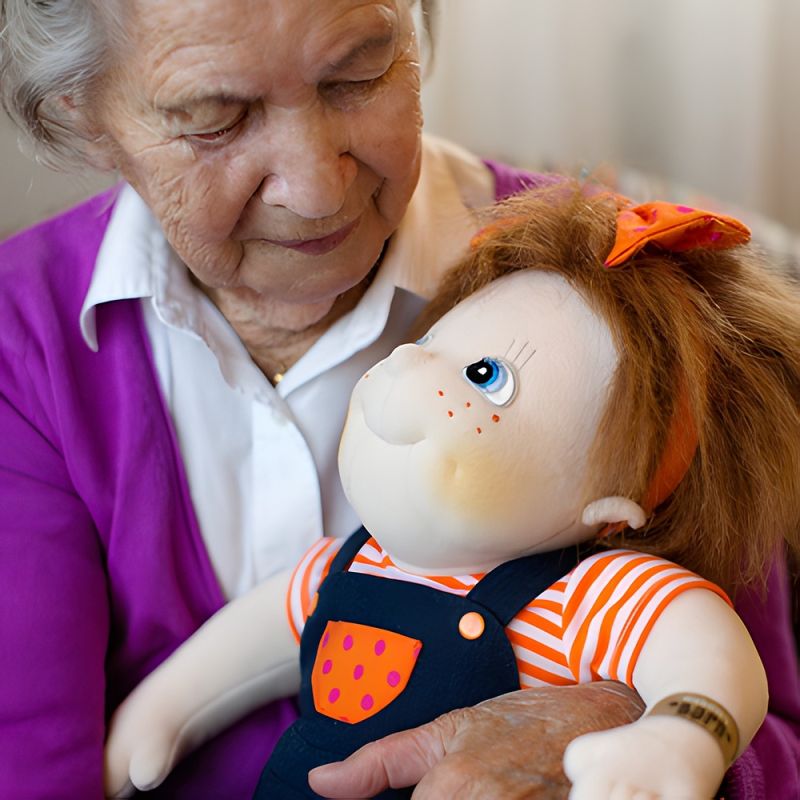
Seven ideas for everyday life
Each idea needs very little preparation and takes around ten minutes. Most of them work for one-to-one sessions as well as small groups.
1. A welcome at teatime
The doll sits at the table during afternoon tea. The carer introduces it, perhaps with a name, and sits down with someone who shows an interest. Conversation often follows of its own accord: about the doll’s clothes, its hair or who it looks like.
2. Reminiscence
The doll is a prompt for questions about a person’s life: Do you have children? What are their names? What did you like to play with as a child? Did you have brothers or sisters you looked after? Photos or objects from the past add to the conversation.
3. Dressing and caring for the doll
Changing the doll’s clothes, tucking a blanket round it, settling it comfortably in someone’s arms: these are things many people have known how to do for decades. Give the person plenty of time, and only help when they ask.
4. An animal to stroke
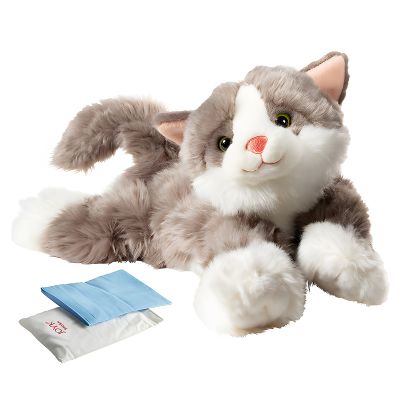
People who once had a cat or a dog often enjoy talking about it. A toy cat or dog on the lap gives the conversation a starting point: What was your dog called? Where did your cat like to sleep?
5. Singing
Many people still know a lullaby such as “Rock-a-bye Baby” or a song from their younger days by heart. One person holds the doll and can rock it in time to the music while everyone sings along.
6. The doll comes to visit
In a group, the carer takes the doll from seat to seat. Anyone who likes can greet the doll, hold it for a moment or tell it something about their day. If someone is holding the doll, the carer waits until they hand it back of their own accord before moving on. Nobody has to speak.
7. A quiet moment
Not every activity needs words. Holding the doll, looking out of the window together, listening to music: that counts as time together too.
Things to know first
Find out about the person’s life story before offering a doll: someone who has lost a child may associate a baby doll with painful memories. Relatives often know best what memories a doll might bring back. Choose a calm moment to introduce the doll for the first time. If someone declines, try again on another day or leave it altogether. If the doll joins people at mealtimes and someone has difficulty eating, make sure they aren’t giving their food to the doll instead of eating it themselves; in that case, kindly explain and put the doll to one side during the meal.
Doing it respectfully
The doll is an offer, never an obligation. Whether someone sees it as a doll, as a child or gives it a name of their choosing is up to them; don’t correct it. Talk to the person as you always would, not as you would to a child, and never make fun of the doll. Don’t simply take the doll away; ask gently for it or wait until it is handed to you. If someone seems restless or sad, gently steer things towards something else.
Involving relatives
Let relatives know before the doll is first used, so they aren’t surprised to see their mother or father holding a doll. Many will then tell you which dolls or pets played a part in the family’s life.
Which doll suits these activities?
What matters is what the person likes: a baby or child to hold and care for, or an animal to stroke.
Babies, children and animals
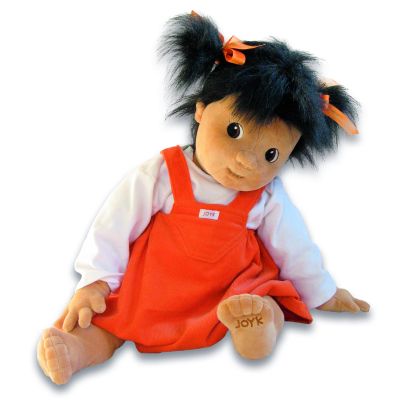
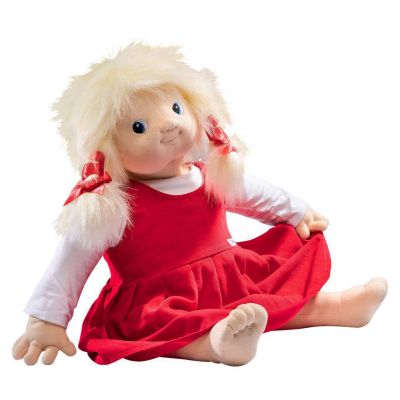
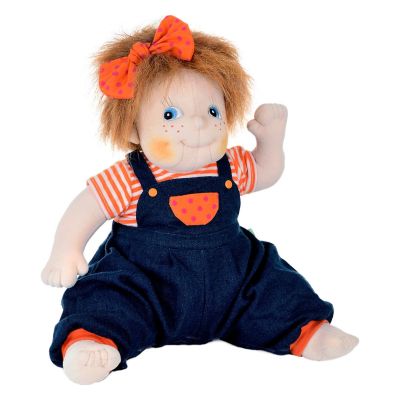
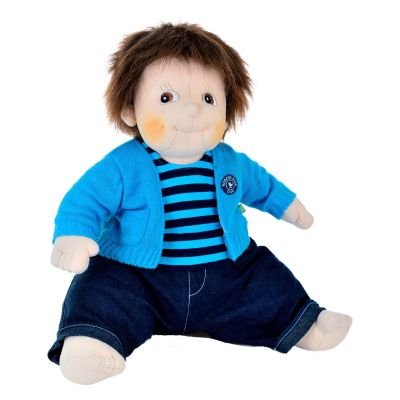
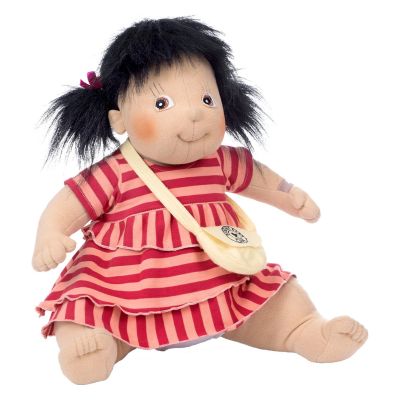
For holding, dressing and reminiscence, child dolls from Joyk such as Emelie or Johan work well, as do the baby-like Original dolls from Rubens Barn. People who once had pets often prefer a toy cat or dog.
Joyk empathy dolls →Rubens Barn Original →Things to bear in mind
Joyk dolls are weighted at the bottom, so they settle in your arms like a real baby; the large child dolls are noticeably heavy. The faces are designed so that the doll looks at you when you cradle it like a baby in your left arm. If the weight becomes tiring, the doll can rest on the lap instead. If someone tends to put a doll’s hair in their mouth, a doll with short hair is the better choice. The bodies and hair are washable – handy when a doll passes through many hands. Temperatures, wash settings and hygiene tips for care settings are in our care guide for Joyk dolls.
In care settings and at home
The ideas fit everyday life in care homes and day centres, dementia care and caring for someone at home. A doll that has its own spot, say in the residents’ lounge, soon becomes familiar; one that only comes out on special occasions takes longer.
Advice and paying by invoice
If you have questions about choosing a doll, you can reach us by phone or through our contact form. Care homes, therapy and medical practices, nurseries and schools can also pay by invoice; after a check, we activate this option for your customer account.
Dolls for activities
Child dolls and animals from Joyk, plus the Original dolls from Rubens Barn.




Explore more
Dolls by brand and range.